
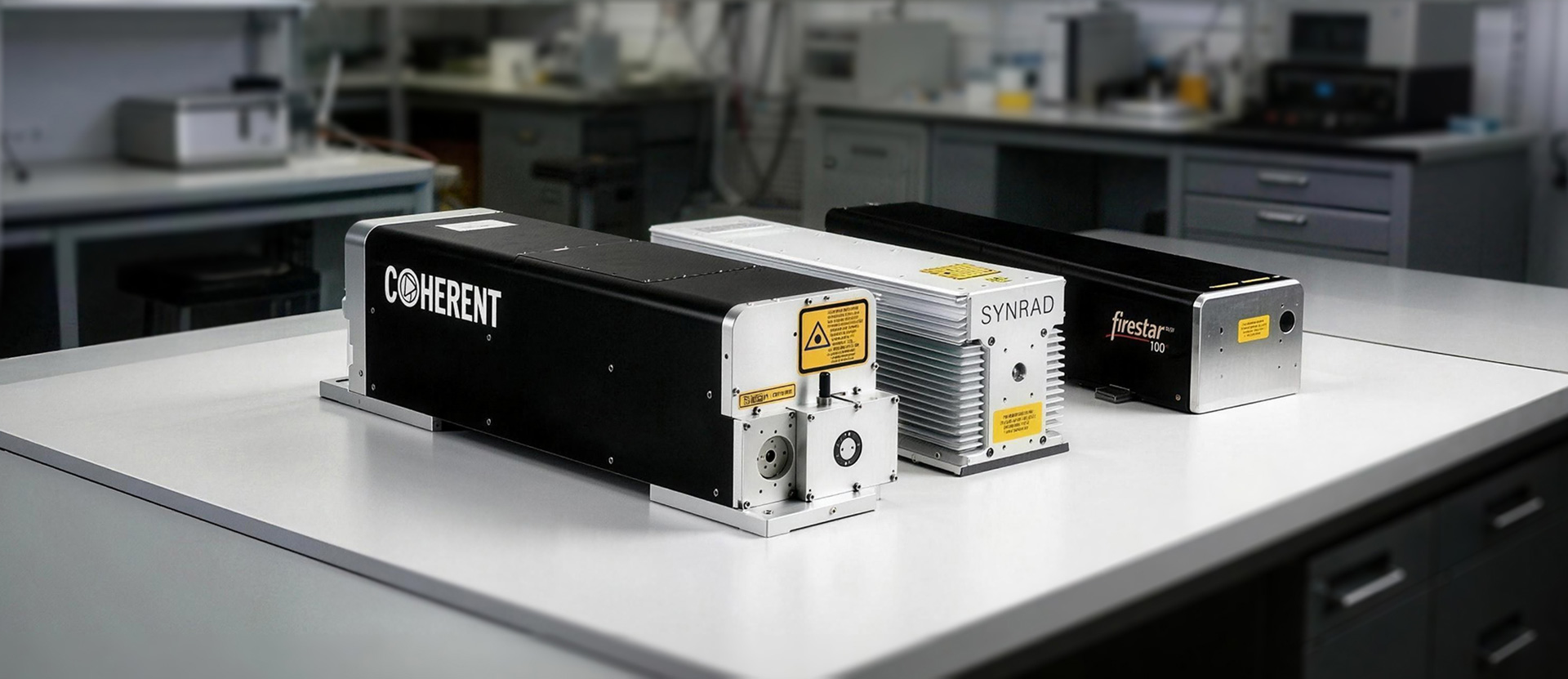
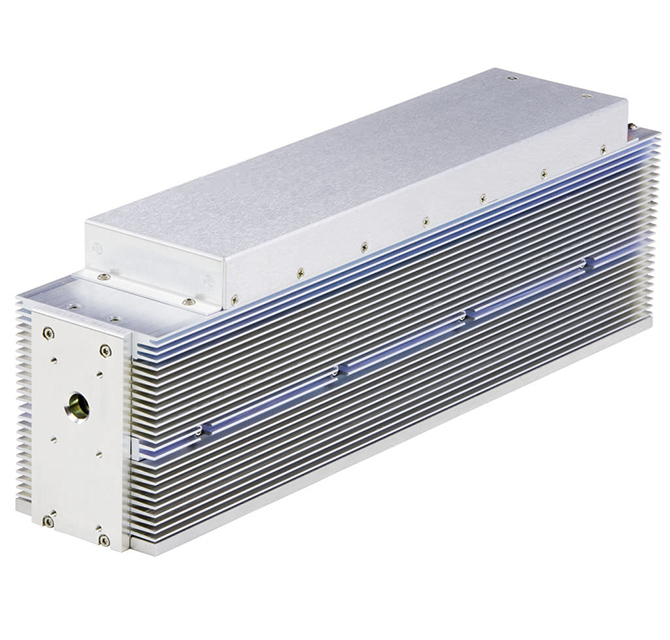
Synrad Vi30 RF Laser Tube Recharge Refill Repair

The Synrad Firestar vi30 RF CO₂ Laser is one of the most widely used 30W-class sealed RF lasers in industrial marking, coding, and light cutting applications. Known for its compact design, air-cooled architecture, and stable beam quality, the vi30 is commonly integrated into OEM systems across packaging, electronics, and plastics processing.
However, like all sealed CO₂ lasers, the vi30 experiences gradual gas degradation and performance decline over time. When output power drops or marking quality becomes inconsistent, users face a key decision: Should you recharge, repair, or fully replace the laser? This article provides a professional, engineering-level guide to vi30 refilling and repair services.
Understanding the Firestar vi30 Laser
Key Specifications
•Output Power: 30W
•Wavelength: 10.6 μm
•Cooling: Air-cooled
•Laser Type: Sealed RF-excited CO₂ laser
•Typical Applications: Laser marking (plastics, coatings, anodized aluminum), Coding and serialization, Thin material cutting (films, paper, labels).
Why It’s Popular?
•Compact and easy OEM integration
•Low maintenance (compared to glass tubes)
•High beam quality for fine marking
•Long service life (under proper conditions)
Why vi30 Lasers Lose Power Over Time
Even though the vi30 is a sealed metal RF laser, it is not immune to aging. Typical Symptoms:
•Output power drops (e.g., 30W → 20–24W)
•Marking becomes lighter or inconsistent
•Increased need for higher power settings
•Difficulty maintaining production speed
These are classic indicators that regassing is required.
What is Laser Refilling?
Refilling a vi30 is not a simple gas top-up—it is a precision refurbishment process.
Professional Regas Process Includes:
1. Full Gas Extraction: Removal of degraded gas under vacuum
2. Vacuum Conditioning: Deep vacuum to eliminate contaminants
3. High-Purity Gas Injection: Exact OEM-spec CO₂/N₂/He mixture
4. Pressure Calibration: Tuned to optimal discharge conditions
5. RF System Check: Power supply and excitation stability verification
6. Optical Alignment: Ensuring optimal beam path
7. Performance Testing: Output power, mode quality, and stability validation
Expected Results
•Power restored to 85–100% of original output
•Stable beam and marking quality
•Extended service life (thousands of additional hours)
Recharge vs Repair vs Replacement
Option 1: Refilling
Best for:
•Gradual power loss
•Laser still operational
•No physical damage
Advantages:
•50–70% lower cost than replacement
•Environmentally sustainable
•Fast ROI
Option 2: Repair + Refurbishment
Needed when:
•RF driver instability
•Internal contamination issues
•Minor optical degradation
Often combined with regassing for full recovery.
Option 3: Full Replacement
Required when:
•Internal structural damage
•Severe electrode wear
•Multiple failed regas cycles
Downside:
•High cost (new vi30 units are expensive)
When Should You Service Your vi30?
Recommended Service Timing:
| Condition | Recommended Action |
| Power drop <15% | monitor |
| Power drop 20-30% | Plan regas |
| Power drop >30% | Immediate service |
| Laser unstable | Diagnostic + repair |
Professional Tip:
Do NOT wait until complete failure. Early regassing: Costs less
and produces better recovery results.
FAQ – Synrad vi30 Laser
Q1: Can Synrad vi30 be refilled?
Yes, it is a sealed RF CO₂ laser designed for professional regassing.
Q2: How much does vi30 repair cost?
Typically 50–70% cheaper than replacement.
Q3: How long does it last after regas?
Usually 1–3 years, depending on usage.
Q4: What are signs of failure?
•Weak output
•Inconsistent marking
•Power drop
Best Practices to Extend vi30 Lifespan
To ensure the longevity and optimal performance of your Synrad Vi30 RF CO₂ Laser, following best practices is essential.
- First, maintain a proper ambient temperature, ensuring that the unit operates within its recommended range.
- Clean airflow is critical, especially for air-cooled models, as it helps maintain stable operating conditions.
- Avoid running the system at 100% duty cycle continuously to prevent excessive wear.
- Regularly clean the optics and enclosure to avoid dirt buildup that can reduce performance.
- Additionally, monitoring the output power periodically is essential for identifying early signs of wear.
The Synrad Vi30 RF CO₂ Laser is a reliable industrial tool, but, like any CO₂ system, it requires lifecycle maintenance. Refilling is often the most cost-effective and practical solution for aging Vi30 lasers. Replacement should be considered a last resort, as refilling can restore performance, extend the operational life, and reduce long-term operating costs.
If you’re unsure whether your Synrad Vi30 needs refilling, repair, or replacement, feel free to contact me. Share the current output power, hours of operation, and the application type, and I’ll provide you with a precise, engineering-level recommendation tailored to your situation.
For expert advice and service:
Gelly
Phone / WhatsApp: +86 13728264757
Email: lasertuberefill@gmail.com